
-
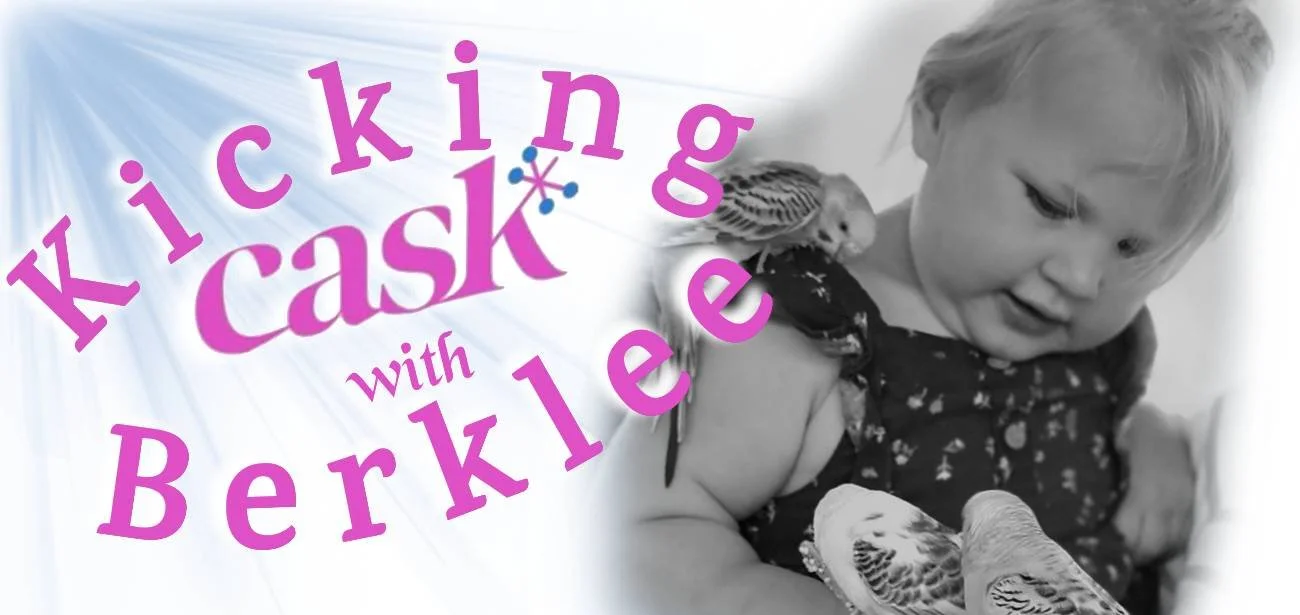
At the time of Berklee’s CASK diagnosis,
There were only 300 people in the WORLD 🌎 with this diagnosis…It was first noticed when she was only 3 months old - her soft spot in her head had closed.
Knowing she was too young for this to happen, Berklee had her first CT scan.
The scan showed that she has ‘Dandy-Walker Variant’ as well as Microcephaly,
which means that she has a smaller than normal head size & small brain parts.
At 4 mo. old, Berklee got to do her very first sedated MRI.
With hopes to get further insight into her diagnosis:
This is when we discovered that her cerebellum is small, which causes a pocket of fluid to fill in the empty space around it.
So now she does yearly MRIs to track the progress of her development.
The next step was to figure out why this happened to our Berklee…
Genetic testing showed that the middle part of her Cask Gene is deleted. Which means that neither parent passed down this disease.
It is what they call - ’de novo’ or first occurrence.Since every case is so different, no one is sure what the future has in store for Berklee.
There are concerns about whether she will ever walk, talk, or what other challenges she may have to face as she grows up.
Some victims of this diagnosis need feeding tubes, some are unable to sit up by themselves, while some you’d never guess have the mutation.
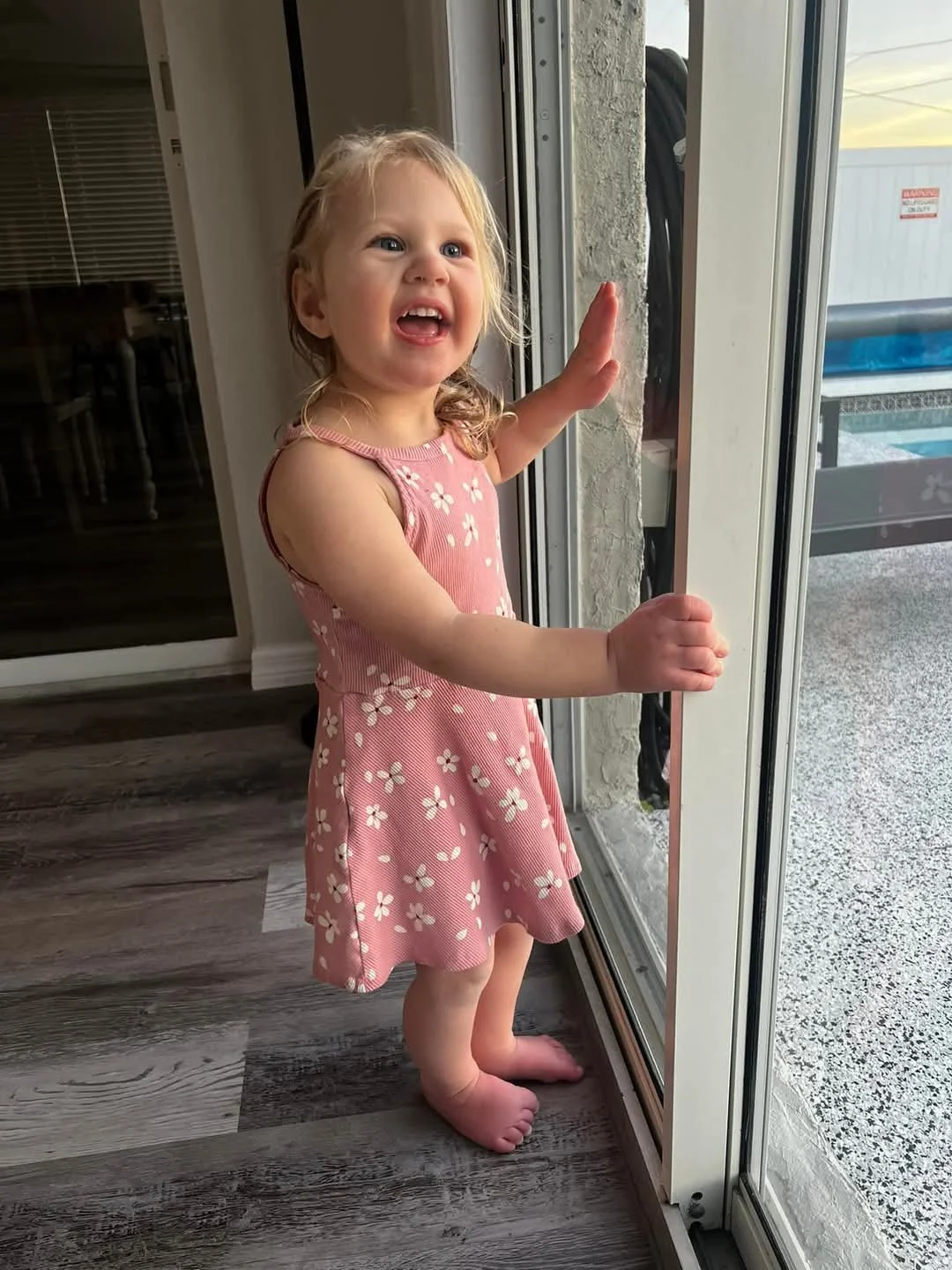
Luckily, with careful preparation, Berklee is able to eat & drink almost all foods, and is now walking short distances on her own!
-
“CASK Related Intellectual Disability” is a Rare Genetic Disorder that affects brain development.
-
Cask mutation is caused by genetic variants - such as deletions, duplication or point mutations.
These mutations disrupt the production or the function of the CASK protein.
-
CASK protein is critical for brain development, nerve cell communications and synapse formation.
-
Side effects vary - but can include
Intellectual Disability
Developmental Delay
Seizures
Hearing Loss
Vision Problems
Movement Disorders
Feeding Difficulties
Behavioral Problems
-
Microcephaly with Pontine & Cerebellar Hypoplasia. - This form is more severe, particularly in males. Characteristics include a small head size, underdeveloped brain regions & severe developmental delay.
X-Linked Intellectual Disability (XL-ID) with or without Nystagmus- this form is less severe than the one above and is more commonly found in females. Characterized by Intellectual Disability, Eye movement problems (Nystagmus) & other developmental delays.


Berklee attends weekly physical therapy to help with muscle memory!
Updates on Berklee

Berklee
loves all things scenory - especially water!!


PT by the Sea
Molly Swafford, the owner of Kids PT By The Sea is a Pediatric physical therapist based out of Sarasota, FL.
With almost 30 years of experience as a physical therapist, she has helped Berklee achieve her goal in taking her first steps!
Molly specializes in development, rehabilitation, and pediatric fitness with programs focused on helping our family to empower Berklee through movement.
“Nothing brings me more joy than seeing your child reach new milestones and gain confidence!”
Molly has extensive continuing education in
Neurodevelopmental Treatment (NDT),
Dynamic Movement Intervention (DMI) as a certified Intermediate B practitioner,
Sensory Integration,
Total Motion Release,
Task-Specific Electrical Stimulation (TASES) Level 2 motor learning techniques.
She is trained in NISE Stim and a certified Theratogs fitter.